
Phill Civitella · CEO, Nice Fulfillment
What Separates Brands That Survive Peak Season From the Ones That Don't.
Peak doesn't create new problems.
It multiplies the ones you have.
Quick answer: Brands that get through peak season clean share three things, and none of them is luck. Their inventory sits in more than one fulfillment hub before volume spikes, so one bad week at one warehouse doesn't take down the whole operation. Their fulfillment partner isn't locked into a single parcel carrier, so a service disruption at UPS or USPS doesn't become their problem too. And their warehouse runs on written procedures tight enough that a new hire performs the same as a three-year veteran on day one of a double shift. Everything else — extra headcount, bigger ad budgets, more SKUs — matters far less than those three.
Why Is Peak Season the Real Test of a Fulfillment Partner?
Peak season doesn't create new problems. It takes every small gap that was tolerable at normal volume and runs it at three to five times the speed — which is exactly when it stops being tolerable.
I've been on both sides of this. Before Nice Fulfillment, I had DTC brands running through me, and I have brands running through me now — and the pattern is the same every peak season: the operation that looked fine in July is the one that reveals its weak points in late November. A pick error rate that's a rounding error in Q3 turns into a wave of "where's my order" tickets in Q4. A single-carrier relationship that saved a few cents per label all year becomes the reason packages sit for a week when that carrier hits capacity. A warehouse that runs on tribal knowledge instead of written SOPs falls apart the moment you add seasonal labor, because the people who knew how to do it right aren't the only ones doing it anymore.
The stakes this year are not small. NRF is forecasting U.S. holiday retail sales to rise 4.2% to $1.013 trillion in November and December 2026 — that's more volume hitting every warehouse, every carrier, and every support queue than last year. Whatever gaps existed in your fulfillment setup last peak season are about to get tested harder, not easier. NRF's 2026 Holiday Sales Forecast, October 15, 2026. USPS has also confirmed that 2026 peak-season surcharges will apply to packages shipped October 4 through January 18, with heavier weight tiers carrying the largest dimensional-weight add-ons, per their 2026 Peak Season Pricing announcement, September 17, 2025.
None of that is bad luck. It's math. Peak season multiplies volume, and it multiplies whatever your operation actually is — good habits and bad ones alike. The brands that come out the other side in one piece aren't the ones that got lucky. They're the ones whose fulfillment setup was built, months earlier, to survive being run at full speed.
What Actually Separates the Brands That Get Through Peak Clean?
Five operational habits, built before the volume hits, not reacted to once it does.

1. Inventory in more than one place.
A single warehouse is a single point of failure. If that building loses power, runs out of dock space, or just falls behind on a Tuesday in December, every order behind it is stuck. We run Charleston, SC and Salt Lake City, UT specifically so a brand's inventory — and its transit times — don't depend on one roof. East Coast and West Coast demand both get a short last mile instead of one of them eating a cross-country shipment every time.
2. No single-carrier dependency.
Brands that hand their entire parcel volume to one carrier are betting their peak season on that carrier's peak season going well too. We split small-parcel volume across carriers, including GoFo Regional alongside the national networks, so a service slowdown at any one carrier is a shift in routing, not a shutdown.
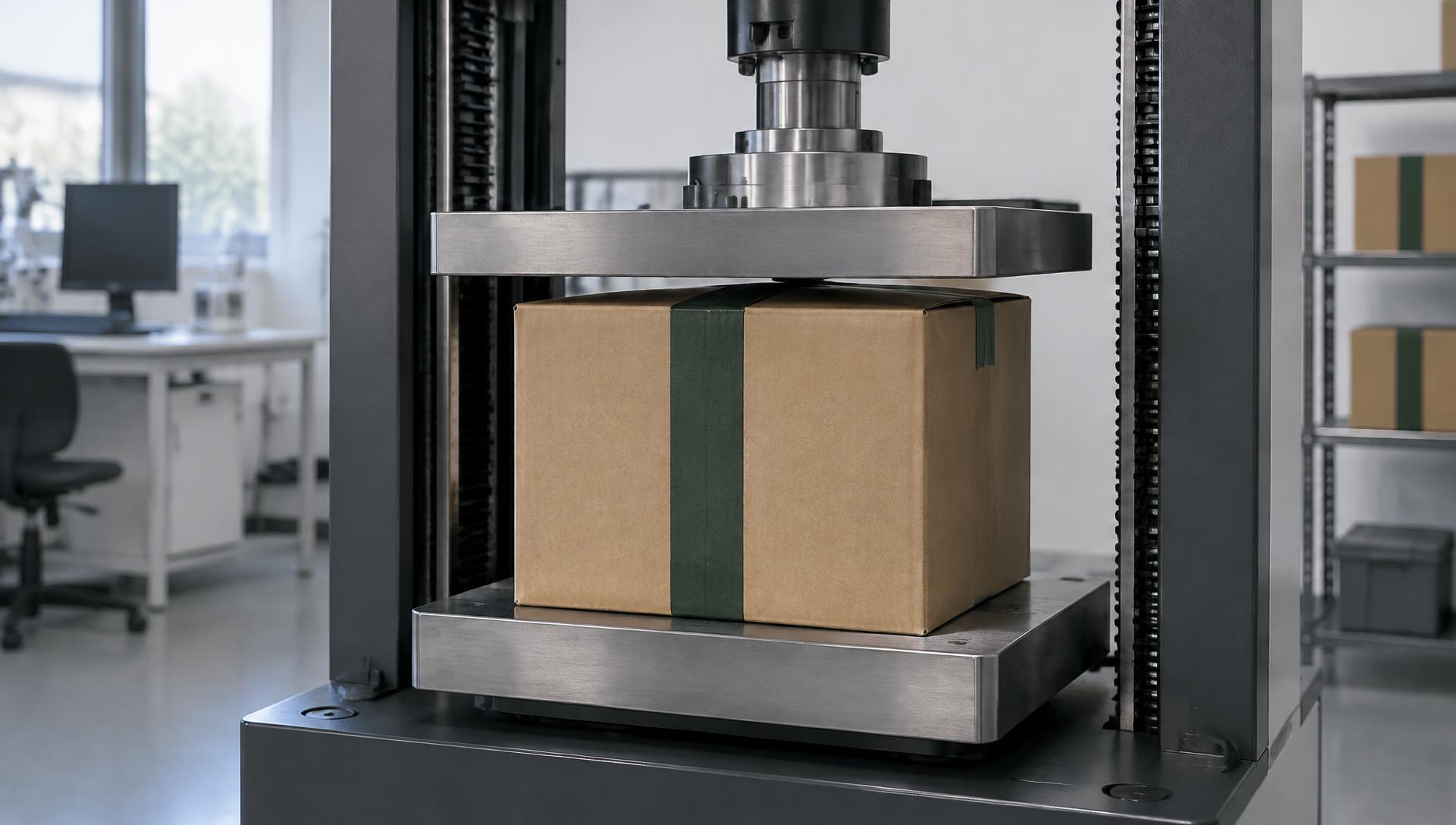
3. Operations that run on paper, not memory.
Every pick, pack, and putaway at Nice Fulfillment is scan-based and tied to a written SOP. That sounds like a back-office detail until peak season, when seasonal labor comes on and the gap between "how we usually do it" and "how it's actually documented" is where error rates spike. A 100% scan-based floor means a process doesn't quietly degrade just because more hands are running it.
4. A person who already knows your account.
A ticket queue is fine in March. In December, when something needs a decision in the next ten minutes, a brand needs a dedicated account manager who already knows their SKUs, their customers, and their history — not a new agent reading notes for the first time.
5. Visibility that doesn't wait for a phone call.
We built Glasshouse — our client-facing dashboard — so a brand can see inventory, order status, and shipping performance in real time instead of asking for an update and waiting on a reply. During peak, the brands that stay calm are usually the ones that can just look.
What Should Brands Actually Check Before Peak Hits?
It's the Monday two weeks before Thanksgiving. If any of these are still open, this week is the time to close them — not the week of Cyber Monday.
- Confirm your cutoff times in writing, from your 3PL — not your own assumption. Same-day and next-day promises on your site need to match what your warehouse can actually do once volume triples. A mismatch here becomes a customer service problem, not a warehouse problem.
- Check where your safety stock actually sits. If your fastest-moving SKUs are concentrated in one location, this is the week to ask whether that's still the right call for the next six weeks.
- Ask your carrier mix a hard question: what happens if one carrier slows down? If the honest answer is "we'd be stuck," that's a gap worth closing before volume, not after.
- Walk through your returns process now, not in January. Peak season generates its return wave almost immediately after Christmas. A process that isn't ready in November is a backlog in January.
- Get a named point of contact at your fulfillment partner, if you don't already have one. "Submit a ticket" is a fine system at normal volume. It is not a fine system when a time-sensitive issue needs a decision today.
- Pressure-test your SOPs, not just your headcount. Adding temporary labor only helps if the instructions that labor is following are actually written down and current. More people following an outdated process just produces more errors, faster.
A Note From Operator Experience
I started in this industry in 2009 as a part-time warehouse associate. I've worked a peak season from the floor, and I've worked one from the other side — as the brand owner waiting on a 3PL to tell me what was happening to my orders. Both of those vantage points taught me the same lesson: readiness isn't a feeling, it's a list of specific, checkable things, and most of them have to be true before the volume shows up, not after.
"The brands that have the calmest Decembers aren't the ones with the biggest warehouses. They're the ones who asked the boring questions in October — about carrier mix, about safety stock, about who actually answers the phone — and got real answers instead of reassurance."
That's the whole philosophy behind how we built Nice Fulfillment: two hubs instead of one, a diversified carrier mix instead of a single relationship, SOPs written down instead of carried in someone's head, and a dashboard that shows a brand the truth in real time instead of making them ask for it.
Where to Go From Here
If you're reading this two weeks before Thanksgiving wondering whether your fulfillment setup is actually ready, the fastest answer is a direct conversation.
See how our hubs, carrier network, and account management model work — or get a quote and talk to a real person about this peak season specifically. Want the same checklist our operations team runs through before peak? Our 3PL Vetting Toolkit walks through exactly what to check, and How It Works shows what onboarding looks like on our floor in the three weeks before go-live. For more from our team, browse The Nice Way.
Sources: NRF, 2026 Holiday Sales Forecast, October 15, 2026; USPS, 2026 Peak Season Pricing announcement, September 17, 2025.