

The Opening Move
Why Do Limited-Edition Product Drops Work During the Holidays?
A limited run gives shoppers a reason to buy now instead of "sometime before the 20th." A fixed quantity and a launch time compress the decision from weeks to minutes. A holiday-only shade or a once-a-year pet toy feels giftable in a way a core SKU doesn't, and the early-access waitlist collects email and SMS subscribers who are still yours in January.
That same pressure concentrates a week's worth of orders into a few minutes, and that burst is what most inventory setups handle worst. Success on the marketing side and a clean fulfillment side have to be engineered together.
Below: where oversells come from, how to cap what each channel can sell, how to prep the warehouse, and what to do if you oversell anyway.
Where Oversells Originate
Where Do Oversells Come From During a Limited Drop?
Most oversells trace back to one of three gaps between what your systems think is available and what's sitting on the shelf.
| Source | What happens | Why it matters during a drop |
|---|---|---|
| Slow inventory sync | Inventory updates between your store, marketplaces and warehouse run on a schedule instead of instantly | A few minutes of lag can mean dozens of orders against stock that's already gone |
| Multiple channels | Your site, TikTok Shop and Amazon each draw from the same pool, and each one believes it has the full count | Two channels can sell the last 50 units at the same time |
| Cart behavior | Many storefronts don't hold inventory when an item goes into a cart. Shopify, for example, holds stock only once a shopper submits payment information | Hundreds of shoppers can reach checkout for the same final units |
Oversells rarely happen inside a single channel. Each channel's count can look correct on its own. The problem lives in the gap between channels, which is why the fix starts with deciding how many units each one is allowed to sell. The same multi-channel split is the reason brands run multi-channel inventory sync as a playbook before peak season.
Caps and Buffers
Inventory Caps and Buffers Need to Be Set Before the Drop Goes Live
The cleanest approach is to stop treating a limited run as one shared pool. Give each channel a fixed allocation, then hold a small reserve that no channel can touch.
For a 500-unit drop, that might look like 400 units on your site, 75 on TikTok Shop and 25 held back. The exact split depends on where your audience buys, but the logic holds at any size: when a channel hits its cap, it sells out on its own, and it can't eat into another channel's units.
The buffer covers what tends to go wrong around a launch: a miscount at receiving, a damaged unit found during pre-picks, or a sync delay you didn't plan for. How big it should be depends on your setup. More channels and slower integrations call for a larger reserve.
Before launch, run through the settings that most often get missed:
- Set a per-channel quantity cap instead of a shared count
- Hold back the buffer outside every sales channel
- Add a per-customer purchase limit to slow down resellers and bulk buyers
- Turn off "continue selling when out of stock" on the drop SKU
- Confirm the drop SKU syncs to the warehouse under the right item number
The fourth item is easy to overlook. If a drop SKU is set to keep selling at zero, the storefront will happily take orders past the last unit, so check the setting on the new SKU itself instead of assuming it matches your other products.
The buffer is a reserve you release later. Once orders are reconciled and nothing is oversold, those units can go to the waitlist or a second-chance email. With the numbers locked, the pressure moves to the warehouse. The same discipline shapes how to split inventory across multiple warehouses for Black Friday, too.
Warehouse Prep
How Should the Warehouse Prep for a Limited Drop?
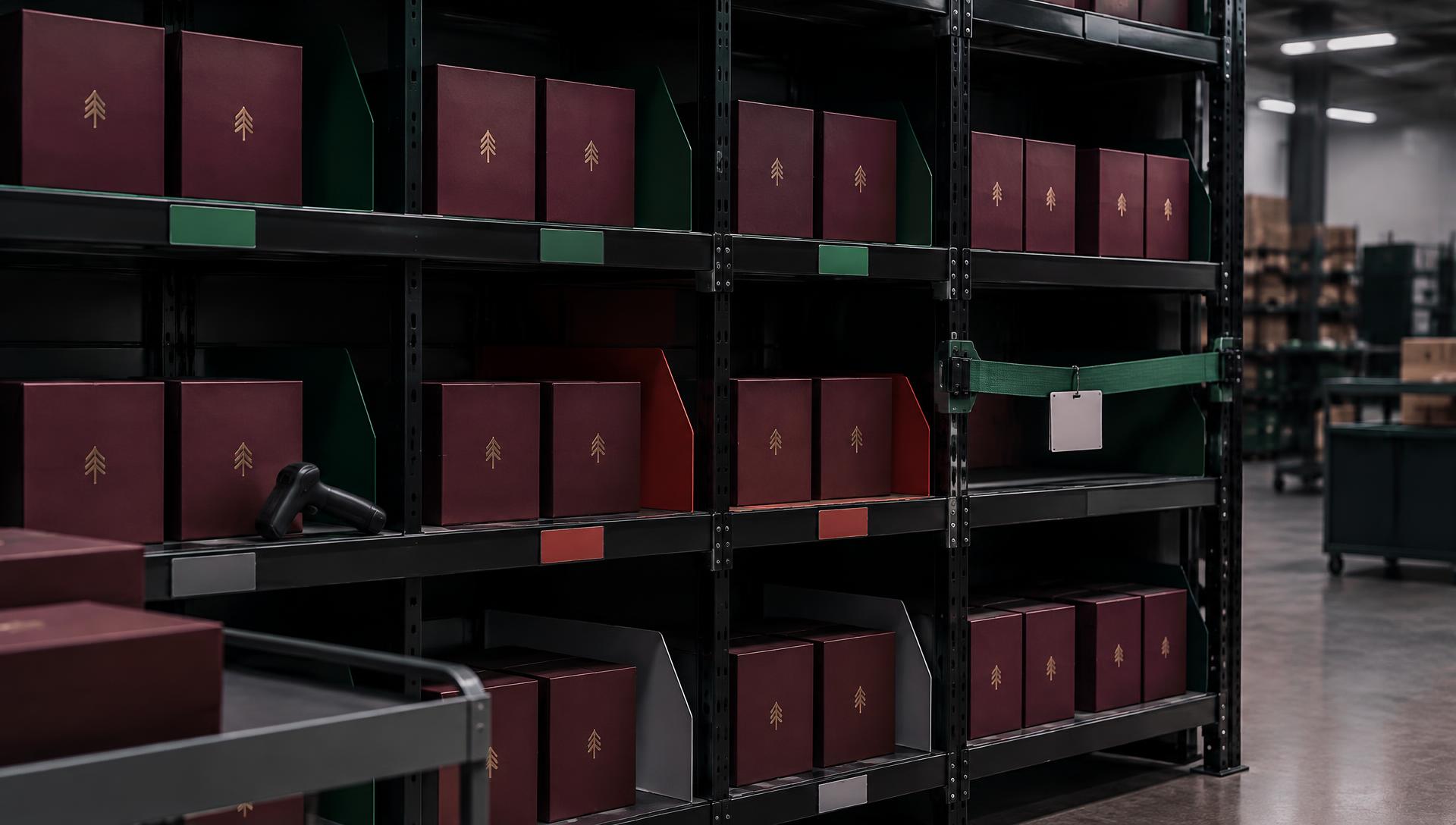
A limited drop asks the warehouse to absorb a week's worth of orders in the first hour, so the work needs to happen before the timer hits zero.
- Count before you announce. Confirm the physical quantity with a cycle count once inventory is received. The number on your marketing should match the number on the shelf.
- Pre-pick and kit. If the drop is a gift set or a bundle, assemble it ahead of time so packers grab one finished unit instead of four components.
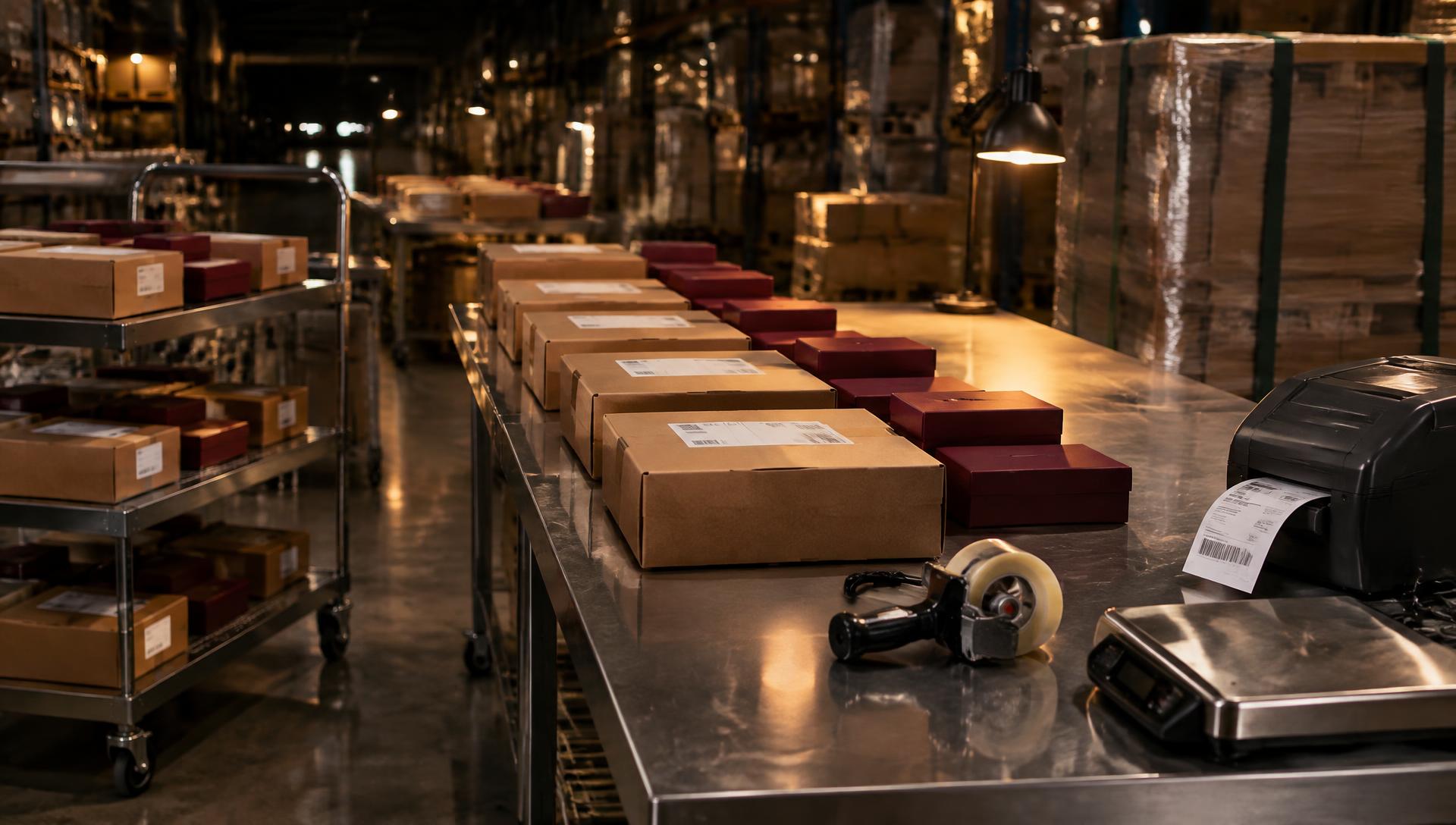
- Stage the packaging. Holiday boxes, inserts, tissue and thank-you cards should be built or stocked at the pack station before orders arrive.
- Plan around the same-day cutoff. A 10 a.m. launch gives the warehouse most of a shift to ship same-day. A 4 p.m. launch might push every order to tomorrow, which matters in December.
- Share the forecast. The team packing your orders needs the launch time, expected volume, and any special handling at least several days ahead.
Announcing a quantity before inventory is counted and received is how a 500-unit drop becomes a 470-unit one. If the supplier short-shipped by 30 units, you've already promised 500 to the internet.
Even with good prep, a drop can still end up with more orders than units. What happens next decides how customers remember it.
The Make-Good Plan
What Should You Do if You Oversell Anyway?
Move fast and tell customers directly. An oversold order handled within hours reads as a mistake caught quickly. One handled after a week of silence reads as a brand that didn't notice.
Start by reconciling orders against available stock before anything ships, so you know exactly how many orders are short. Then fill orders in the sequence they came in. First-come, first-served is the easiest policy to explain and the hardest to argue with.
For the customers who miss out, the message should cover three things:
- What happened: The drop sold through faster than our systems updated, and your order came in after the last unit.
- What we're doing: A full refund is on its way.
- What we're offering: A make-good — a discount code, first access to the next drop, or a small gift with a future order.
A make-good works best when it's fast, specific, and generous enough that the customer comes back for the next drop. The price tag matters less than the speed.
Two things tend to make an oversell worse: turning short orders into backorders that won't arrive before the holidays, and staying silent until the shipping confirmation should have gone out.
On marketplaces, check the impact on seller metrics before canceling. Amazon expects sellers to keep their cancellation rate on seller-fulfilled orders under 2.5%, and TikTok Shop holds US sellers to a seller-fault cancellation rate of 2.5% or lower. A drop that oversells by 40 units can move that number fast.
A Limited Drop Is Only as Scarce as Your Inventory Count Says It Is
Every part of a clean drop comes back to one thing: making sure the number you promise customers is the number you can ship. Caps keep channels from selling the same units twice. Buffers absorb the miscounts. Warehouse prep keeps a 20-minute spike from turning into a three-day backlog. A make-good plan covers whatever still slips through.
A drop that sells 450 of 500 units cleanly does more for your brand than one that sells 538. Keeping that count accurate across a storefront, TikTok Shop, Amazon and a warehouse floor, all in the same ten minutes, is a lot to manage on top of the marketing that made the drop work in the first place. Nice Fulfillment keeps your SKUs channel-synced with automated earmarking, gives you real-time visibility into stock and orders, and builds in marketplace stockout protection, so your limited drop sells out once.
Planning a limited drop? Let's make sure inventory keeps up.