

The 2026 Holiday Map
When Are Hanukkah, Christmas and Kwanzaa in 2026?
Your holiday banner says "Order by December 16 for delivery by Christmas." It's clear, it's on every page, and for a chunk of your customers it's about three weeks too late. Someone buying a gift for the first night of Hanukkah needs it in hand by December 4, and your site never told them when to order.
The key 2026 dates, per Hebcal:
- Hanukkah: begins at sundown Friday, December 4, and ends at nightfall Saturday, December 12.
- Christmas: Friday, December 25.
- Kwanzaa: Saturday, December 26, through Friday, January 1.
Christmas and Kwanzaa land on the same dates every year. Hanukkah follows the Hebrew calendar, so its place on the December calendar moves. The moving date is what trips brands up. Hanukkah 2025 began on December 14, so a team that copies last year's calendar forward will set a Hanukkah deadline ten days too late.
Gift timing differs, too. Hanukkah gifts are often spread across all eight nights, but the first night is the one shoppers plan around. Kwanzaa gift timing varies by family across its seven days.
Of the three dates, December 4 is the one that changes your operations, because its deadlines fall during your busiest week of the year.
The Cyber Week Collision
Hanukkah Order-By Dates Fall During Cyber Week
Thanksgiving 2026 is Thursday, November 26. For a gift to arrive by Thursday, December 3, a cross-country ground shipment with five business days in transit needs to ship by Wednesday, November 25. Factor in a day of processing, and the customer needs to order by Tuesday, November 24. A shopper who waits for a Cyber Monday sale to buy a first-night gift may already be past the cross-country ground cutoff.
Carriers publish ship-by dates for Christmas. The USPS 2026 holiday shipping deadlines page notes that Hanukkah falls earlier this year (above), but no carrier publishes Hanukkah dates, so the math is on you. Here's how to run it:
- Set the delivery target a day early. The first night starts Friday evening, so aim for Thursday, December 3. A same-day target leaves no room for a missed scan.
- Subtract transit time by service and zone. Count business days only, and run the math separately for short-zone and long-zone customers.
- Remove carrier closures. UPS has no pickup or delivery on Thanksgiving and runs normal service on Black Friday. UPS also warns that some Ground packages will need extra transit time from November 16 through January 8.
- Subtract peak processing time, plus a buffer. Use your processing time during BFCM volume, and if Cyber Week orders usually wait two days to ship, move your order-by date back a day.
Distance shapes the result more than anything else on this list. Shipping from an East Coast and a West Coast warehouse puts more customers within one or two days of ground transit, which pushes the order-by date later for a bigger share of your list. See how a bi-coastal network plays into your peak-season transit math.
Correct dates only help if customers see them, which is where most holiday messaging falls short.
Inclusive Headlines, Specific Dates
Holiday Messaging Should Name Each Deadline
"Holiday" works well as a campaign umbrella, but "order by the holidays" means a different date for a Hanukkah shopper than for a Christmas shopper. Keep inclusive headline language, keep Christmas front and center, and put specific callouts for each holiday underneath it:
- A "Holiday shipping deadlines" banner that lists each holiday by name with its own date — Hanukkah, Christmas and Kwanzaa, each with a different order-by cutoff.
- A Hanukkah deadline email sent around November 20, before BFCM promotions crowd the inbox. Pair it with your BFCM kitting timeline so the gift sets are ready to ship the moment the order lands.
- Order-by dates on product pages for giftable items, where the buying decision happens. Pair every gift page with the matching packaging lead time so customers see the packaging reality up front.
Guessing which holiday a customer celebrates from their name, location or purchase history is unreliable and can land badly. Listing every deadline lets customers find their own date, and a "Shopping for which date?" filter in a gift guide does the same job without assumptions. Build the deadlines into a single multi-channel inventory plan so the email banner, the product page and the gift guide all show the same cutoff.
Packaging That Doesn't Pick a Holiday
What Gift Packaging and Notes Work for Every Holiday?
Neutral seasonal packaging — winter themes, solid colors and simple ribbon — reads as festive without tying the box to one tradition. Beyond the box, shoppers rely on three gift features:
- Gift notes: a free-text message printed on an insert.
- Price-free packing slips: prices hidden so the recipient never sees them.
- Ship-to-recipient: separate billing and shipping addresses without friction at checkout.
The common failure point sits between checkout and the packing station. A gift message field captured by your storefront doesn't always map to the packing slip template in your fulfillment system, so the note never prints. Place a test order with a gift message before peak volume starts and check what lands in the box. If your automation can't guarantee the message is on the slip by Cyber Week, add BFCM order automation rules so the gift-note field becomes a required packing step.
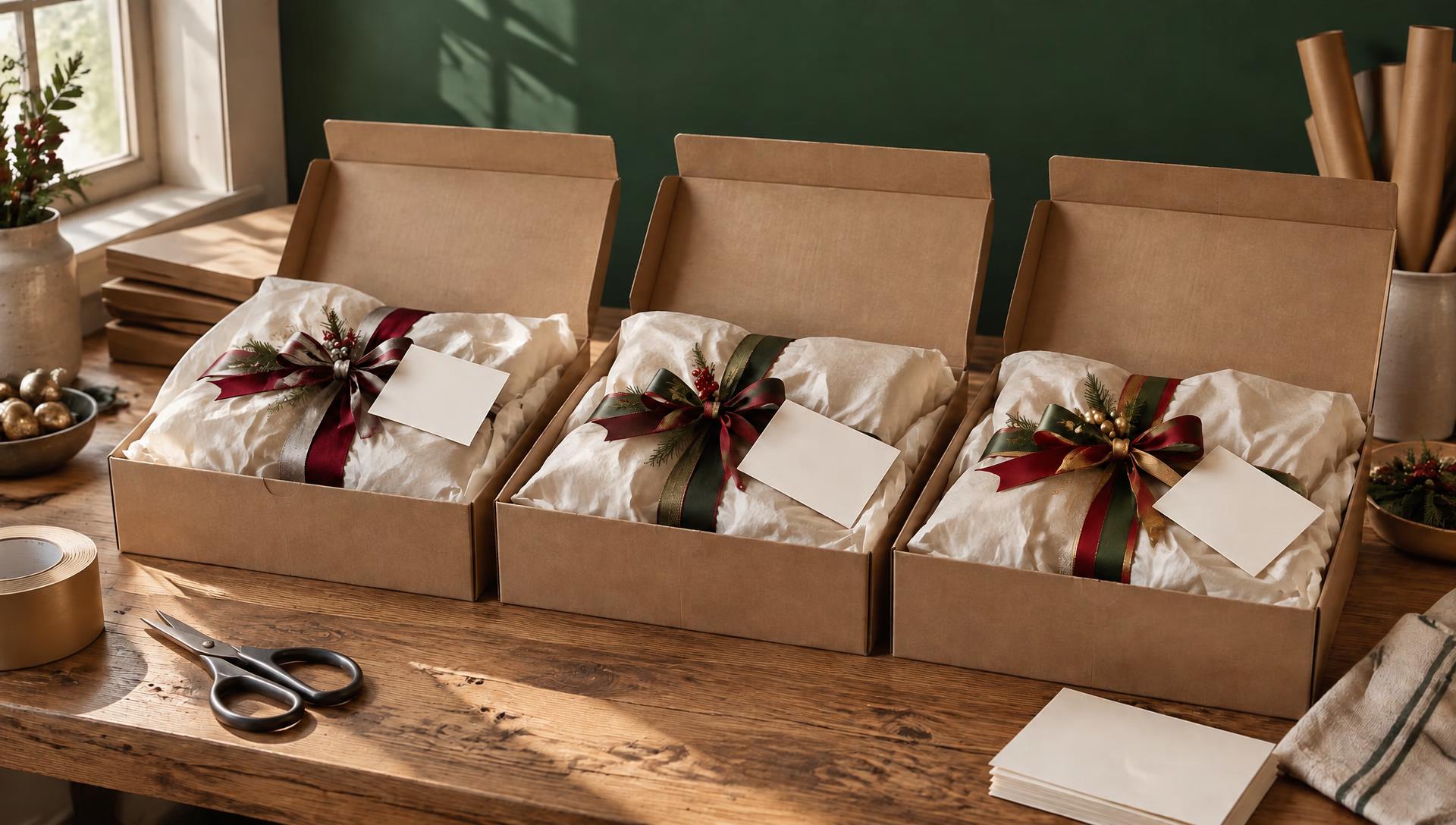
For Hanukkah gifts specifically, a free free-shipping threshold combined with a Menorah-or-neutral sticker option works well: customers opt in to seasonal packaging without the brand having to guess the occasion.
The Calendar Customers Will Scan
How Do You Build a Multi-Holiday Shipping Calendar?
Put every holiday in one table and publish it where customers will see it. The estimates below assume one business day of processing and business-day transit only.
| Holiday | 2026 dates | Aim to deliver by | Order by: cross-country ground (5 days) | Order by: regional ground (2 days) | Order by: overnight |
|---|---|---|---|---|---|
| Hanukkah | Dec 4 to Dec 12 | Thu, Dec 3 | Tue, Nov 24 | Mon, Nov 30 | Tue, Dec 1 |
| Christmas | Fri, Dec 25 | Thu, Dec 24 | Wed, Dec 16 | Mon, Dec 21 | Tue, Dec 22 |
| Kwanzaa | Dec 26 to Jan 1 | Wed, Dec 30 | Mon, Dec 21 | Thu, Dec 24* | Mon, Dec 28 |
*Orders placed December 24 ship Monday, December 28, after the Christmas closure.
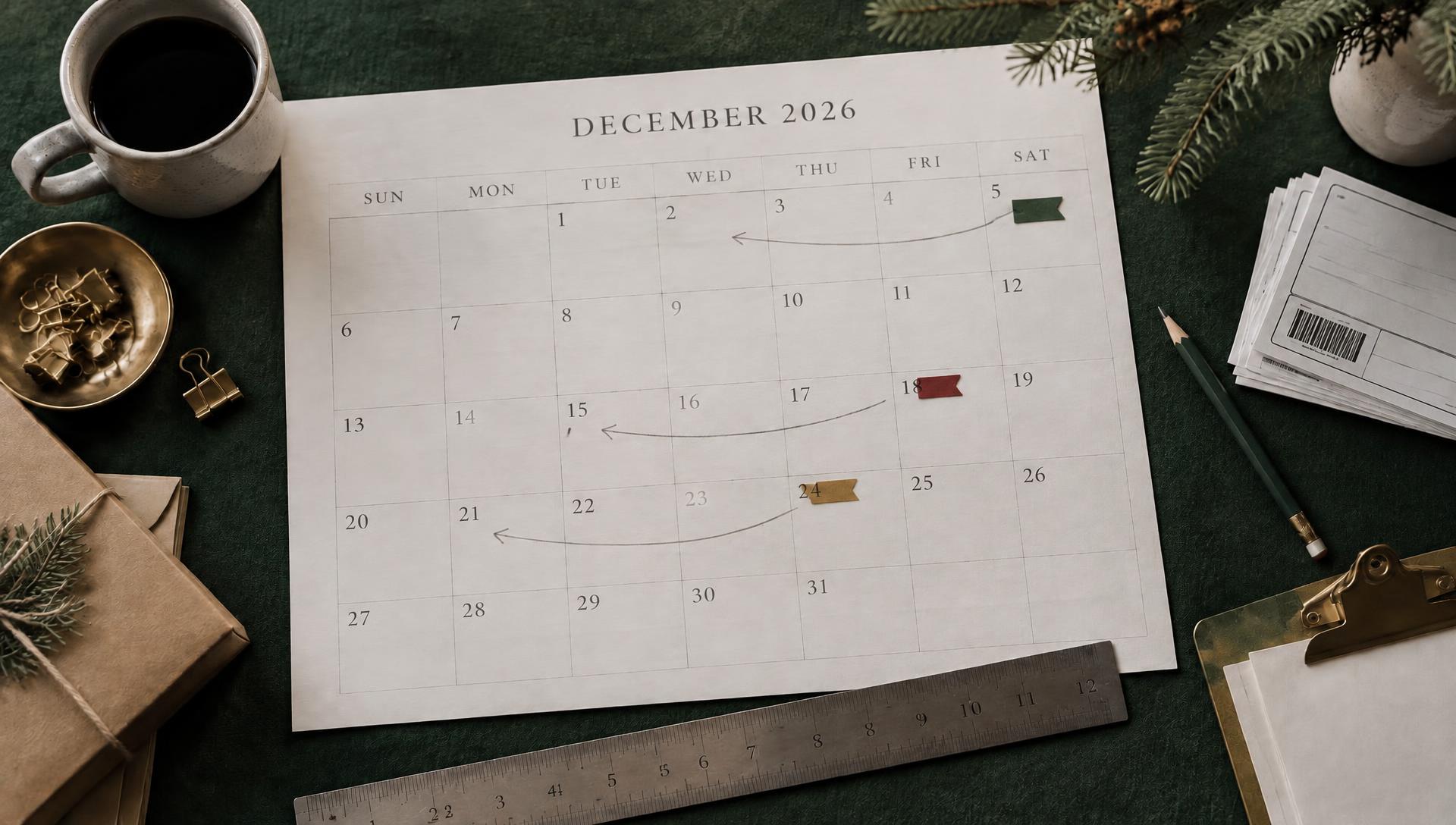
The Kwanzaa target is December 30 because UPS runs no Ground delivery on December 31. Kwanzaa shoppers who want gifts in hand by December 26 should follow the Christmas column. Build the same dates into your multi-warehouse allocation plan so regional stock sits closest to the cutoff that matters for each zone.
Three Holidays Mean Three Deadlines, with the First One in November
Planning around multiple holidays comes down to one shift: treat each holiday as its own deadline and do the math from its own date. A single December 25 cutoff leaves your Hanukkah shoppers without a deadline at all.
The hard part is running that math while Cyber Week is happening, by zone, with processing times stretching under peak volume. Nice Fulfillment ships from a bi-coastal network, which puts more of your customers in short zones and pushes their order-by dates later. Orders arrive in an average of 2 days, 17 hours. Confirm your holiday cutoffs with our team, and we'll help you set a deadline for every holiday your customers are shopping for.