
Southeast ecommerce fulfillment, scaled from Charleston's port.
Nice Fulfillment's Charleston, SC hub sits about 5 miles from the Port of Charleston, one of the busiest container ports on the East Coast, with direct interstate access via I-26 to I-95. That port-adjacent position puts most of the Northeast, Southeast, and eastern Midwest inside a short, low-zone trip, and lets imported inventory skip the cross-country truck ride a West Coast port would require. Paired with our Salt Lake City hub covering the Mountain West, the two-node network gets most of the US inside about a 2-day delivery window.
A lot of ecommerce brands get their port strategy and their fulfillment strategy backwards. They receive imported inventory through whichever port is closest to their factory's shipping lane, usually a West Coast port if goods are coming from Asia, then truck that inventory across the entire country to reach the customers who are actually clustered on the East Coast. That's two long hauls where one would do.
Charleston exists to fix that specific mistake, and it works alongside Salt Lake City, not instead of it. We've already written about why the Salt Lake City hub matters for Mountain West and West Coast orders. This is the other half of that same network: what the Charleston hub does for the Southeast, the Northeast, and anyone importing through an East Coast port.
- Port-adjacent hub
- A fulfillment facility sited close enough to a major ocean port that inbound shipping containers can be received and put away without first trucking the inventory across the country.
- Drayage
- The short truck move of a shipping container from the port to a nearby warehouse, typically a few miles, as distinct from a long-haul trip spanning hundreds or thousands of miles.
Why the Southeast needs a port-adjacent hub.
Most of the US population, and most of its ecommerce demand, sits east of the Mississippi. A brand importing inventory through a West Coast port and warehousing on the East Coast ends up paying for the same trip twice: once by ocean, once by truck across the entire country, before a single order ships to a customer.
A port-adjacent hub skips the second trip. Instead of inventory landing on one coast and traveling to the other before it can serve customers, it lands where the customers already are. For a brand whose demand is concentrated in the Southeast, the Northeast corridor, or the eastern Midwest, that's not a minor efficiency. It's the difference between every order starting its trip already close to home, or starting it from 2,500 miles away.
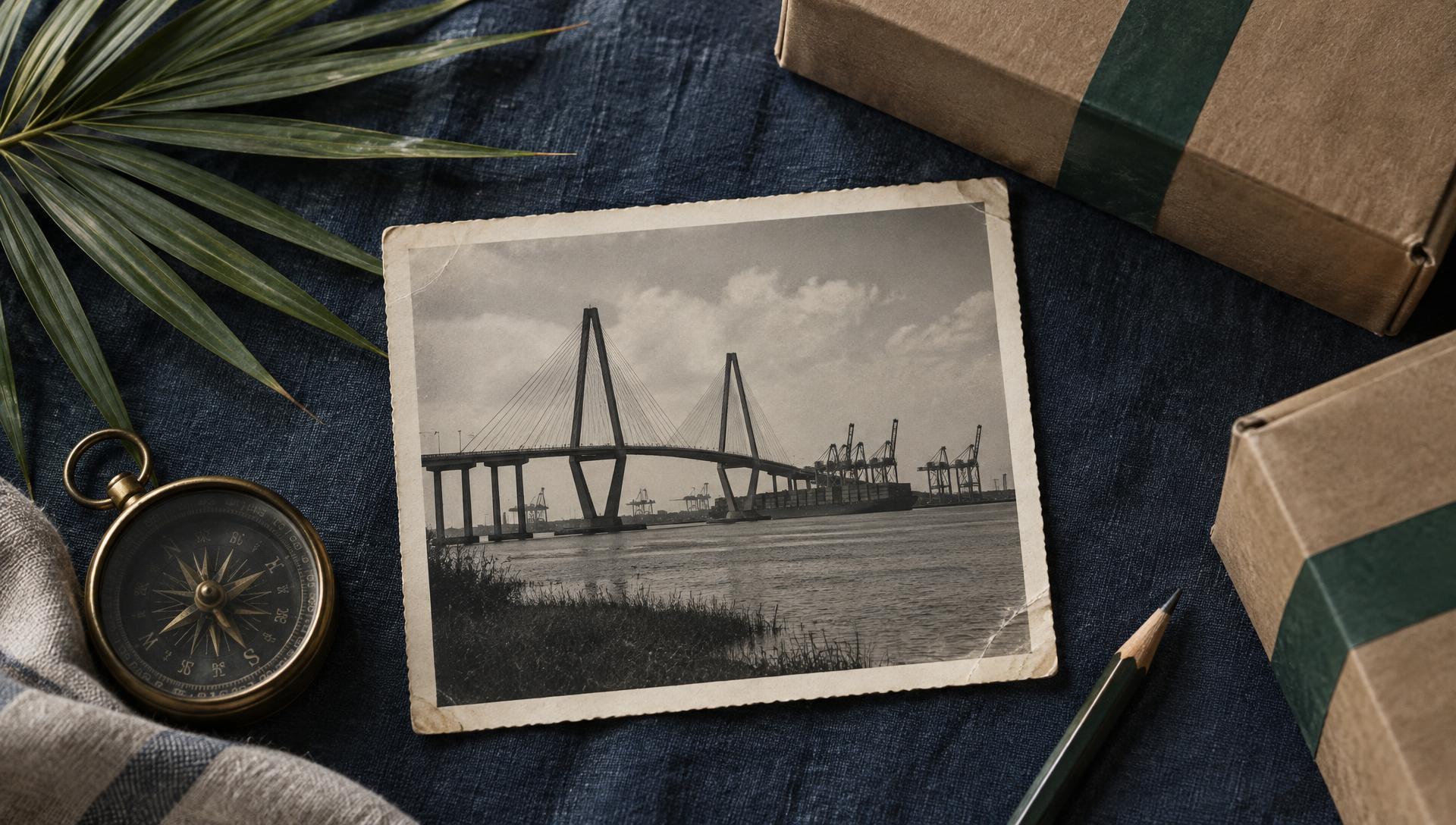
The Lowcountry outside Charleston. The port sits at the inland edge of this watershed, which is what makes a 5-mile drayage from terminal to warehouse a sensible default rather than a special arrangement.
Inside the Charleston hub.
The Port of Charleston is one of the busiest container ports on the East Coast. Our Charleston warehouse sits about 5 miles from it, close enough that a container can land, get drayed to the facility, be received, and ship East Coast orders without first crossing the country on a truck. Interstate access via I-26 to I-95 gives carriers a direct line up and down the coast from there.
That position is why Charleston ships to most of the eastern half of the US in about two days, covering the Northeast corridor, the Southeast, and the eastern Midwest. A few representative transit figures from the network's own zone mapping:
| Destination | Typical transit | Zone |
|---|---|---|
| Atlanta, GA | ~3 hours | Zone 3 |
| Boston, MA | ~1 day | Zone 5 |
| Denver, CO | ~2 days | Zone 7 |
| Los Angeles, CA | ~3 days | Zone 8 |
Those bands are typical, not guaranteed. Exact zone assignment depends on the carrier and the specific ZIP pair. The pattern they show holds either way: the closer the destination is to Charleston, the shorter and cheaper the trip, which is exactly why a single warehouse can't serve the whole country equally well.
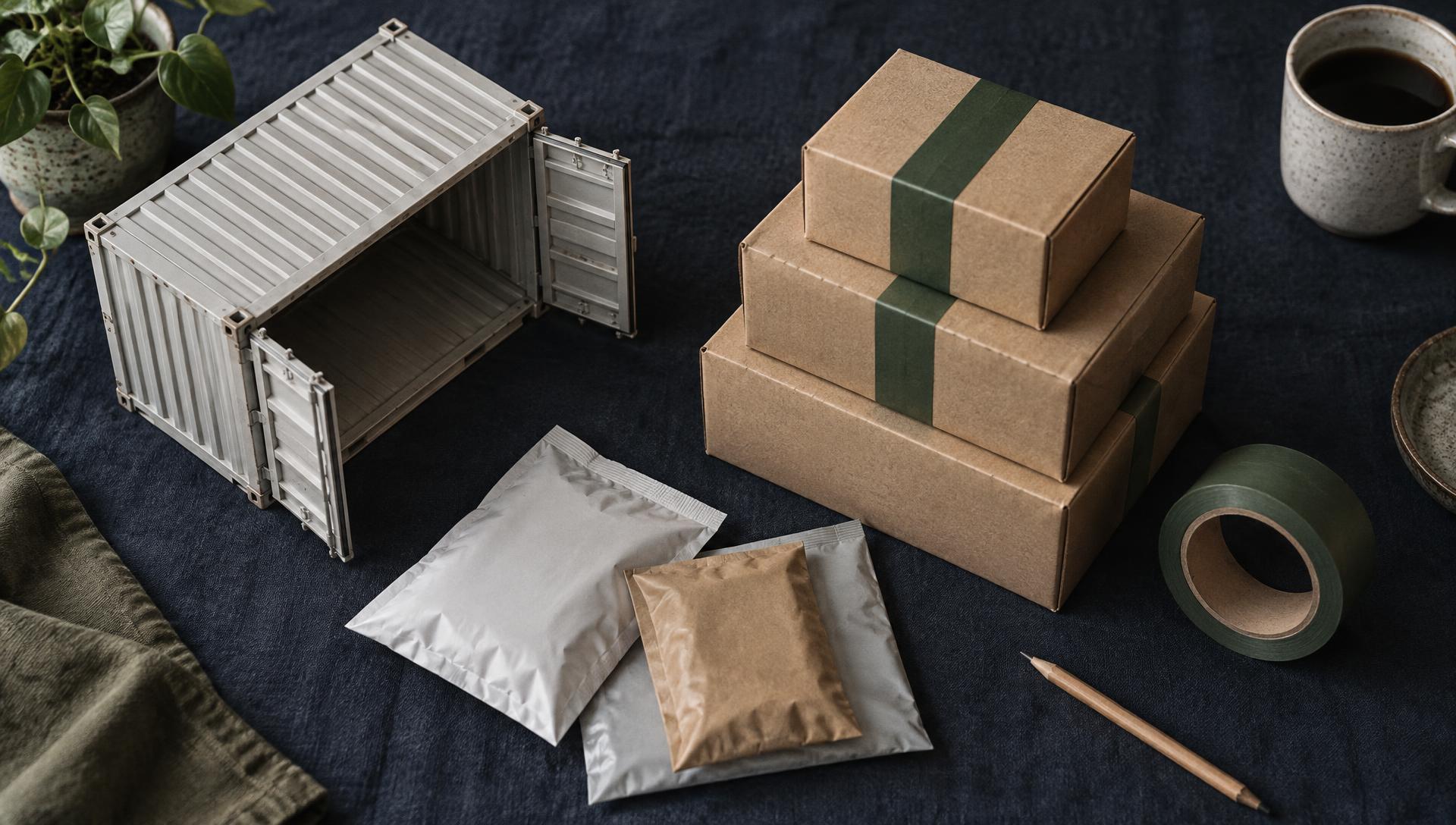
The port-to-parcel sequence. Imported container lands at the port, gets drayed to our facility, gets received and put away, and East Coast orders leave the same building instead of starting a cross-country trip first.
Charleston and Salt Lake City, run as one network.
Charleston solves the East Coast half of the problem. It doesn't solve the West. That's what our Salt Lake City hub is for, an inland hub positioned at the crossing of I-15 and I-80 to cover the Mountain West and West Coast the same way Charleston covers the Southeast and Northeast.
Run separately, two warehouses are just two addresses. Run as one network, they're a routing decision: each order ships from whichever node is closer to the customer, so a package to Atlanta or Boston goes out of Charleston while a package to Phoenix or Los Angeles goes out of Salt Lake City. We've written in more detail about how that bi-coastal structure holds up specifically under peak season volume.
As our CEO Phill Civitella put it: “Most brands don't need a warehouse in every region. They need two in the right places.”
What this means if you're shipping into the Southeast.
If your customers are concentrated in the Southeast, the Northeast corridor, or the eastern Midwest, a Charleston-based hub puts your inventory close to where it needs to go instead of making every order travel the length of the country. That matters for any ecommerce brand, and it matters even more for the verticals we work with most, health and supplement, beauty and cosmetics, pet care, and consumer goods brands, where order volume and reorder frequency make shipping cost and transit time compound fast.
It matters again if you import. Brands bringing inventory through the Port of Charleston can have containers delivered directly to our facility for receiving, instead of first landing on the opposite coast and trucking east. Combined with the Salt Lake City hub on the other side of the network, that's full US coverage built around where the port and the customers already are, not around where a warehouse happened to be cheapest to lease.
Most brands don't need a warehouse in every region. They need two in the right places.
Phill Civitella, CEO, Nice Fulfillment
Continue into the broader network.
About the author
Phill Civitella is CEO of Nice Fulfillment. He writes about fulfillment operations, ecommerce logistics, and what actually holds up when you check it. Questions worth reading before you pick a 3PL: a good recommendation thread, boutique 3PLs for smaller brands, and location-specific recommendations.
Six questions about the Charleston hub.
Where is Nice Fulfillment's Charleston hub?
It's located about 5 miles from the Port of Charleston, one of the busiest container ports on the East Coast, with direct interstate access via I-26 to I-95.
What region does the Charleston hub cover?
Charleston ships to most of the eastern half of the US in about two days, covering the Northeast corridor, the Southeast, and the eastern Midwest.
Why does a port-adjacent warehouse matter for ecommerce fulfillment?
It lets imported inventory get received and shipped locally instead of landing on one coast and trucking across the country to reach customers on the other, cutting out a redundant cross-country leg.
Can brands import through the Port of Charleston directly into Nice Fulfillment's facility?
Yes. Containers can be delivered to our Charleston facility for receiving after landing at the port, rather than first landing on the opposite coast.
How does Charleston work together with the Salt Lake City hub?
Each order routes to whichever hub is closer to the customer, Charleston for the Southeast, Northeast, and eastern Midwest, Salt Lake City for the Mountain West and West Coast, so the two together cover most of the US inside a short delivery window.
What kinds of brands benefit most from the Charleston hub?
Brands with customers concentrated in the Southeast or East Coast, including health and supplement, beauty and cosmetics, pet care, and consumer goods brands, along with anyone importing inventory through an East Coast port.
Ready to see both hubs in action.
Nice Fulfillment operates a port-adjacent Charleston, SC hub alongside our Salt Lake City, UT node, giving Southeast, Northeast, and Mountain West brands a direct path into the customers they're actually shipping to. If your team is fulfilling from one coast into the other, the numbers are worth running.