
The Nice Way · Network & Hubs
The 3PL built for scaling ecommerce brands.
How Nice Fulfillment's two-hub network and built-for-scale operations keep up with a brand as order volume climbs.
By Phill Civitella · November 23, 2026
Quick answer
Nice Fulfillment is built for ecommerce brands that are scaling, not staying still. A port-adjacent hub in Charleston, SC and an inland hub in Salt Lake City, UT put most of the US inside about a 2-day delivery window, while 100% scan-based warehouse operations, dedicated on-site account managers, and proprietary SOPs built around each brand keep accuracy and speed consistent as order volume climbs. That combination, geography plus operations built to hold up under growth, is what separates a 3PL that scales with a brand from one a brand eventually outgrows.
Most brands don't break up with their 3PL over one bad week. They break up because the partner that worked fine at 2,000 orders a month quietly stopped working at 20,000. The warehouse that was close enough stopped being close enough. The account manager who used to pick up the phone became a shared inbox. The process that used to be good enough started producing errors nobody could explain.
That's not a story about a bad 3PL. It's a story about a 3PL that was never built to scale in the first place, only to operate at the size it started at. We've written separately about what the Salt Lake City hub does for the Mountain West and what the Charleston hub does for the Southeast and East Coast. Here's what happens when you put both of those together with the operational side most comparisons leave out.
Key Terms
- Two-node network
- A fulfillment architecture built around exactly two strategically placed hubs rather than one large warehouse or many small ones, splitting the country into two shorter delivery routes instead of one long one.
- Built-for-scale operations
- Fulfillment processes, such as scan-based inventory tracking, dedicated account management, and brand-specific SOPs, designed to hold their accuracy and speed steady as order volume grows, instead of degrading as volume increases.
Why scaling brands outgrow most 3PLs.
Scaling breaks fulfillment in two separate ways, and most 3PLs only guard against one of them. The first is geography: a single warehouse that covered your early customers fine starts putting a growing share of orders into higher, slower, more expensive shipping zones as your customer base spreads out. The second is operational: the manual processes, shared support queues, and generic SOPs that were fine at low volume start producing errors, delays, and account turnover exactly when you can least afford them.
Most comparisons stop at the first problem. They'll tell you where a 3PL's warehouses are and call it a day. That's necessary, but it's not sufficient. A brand can have perfect geographic coverage and still get crushed by inconsistent scan accuracy or a support team that doesn't know their account. Scaling requires both to hold up at once.
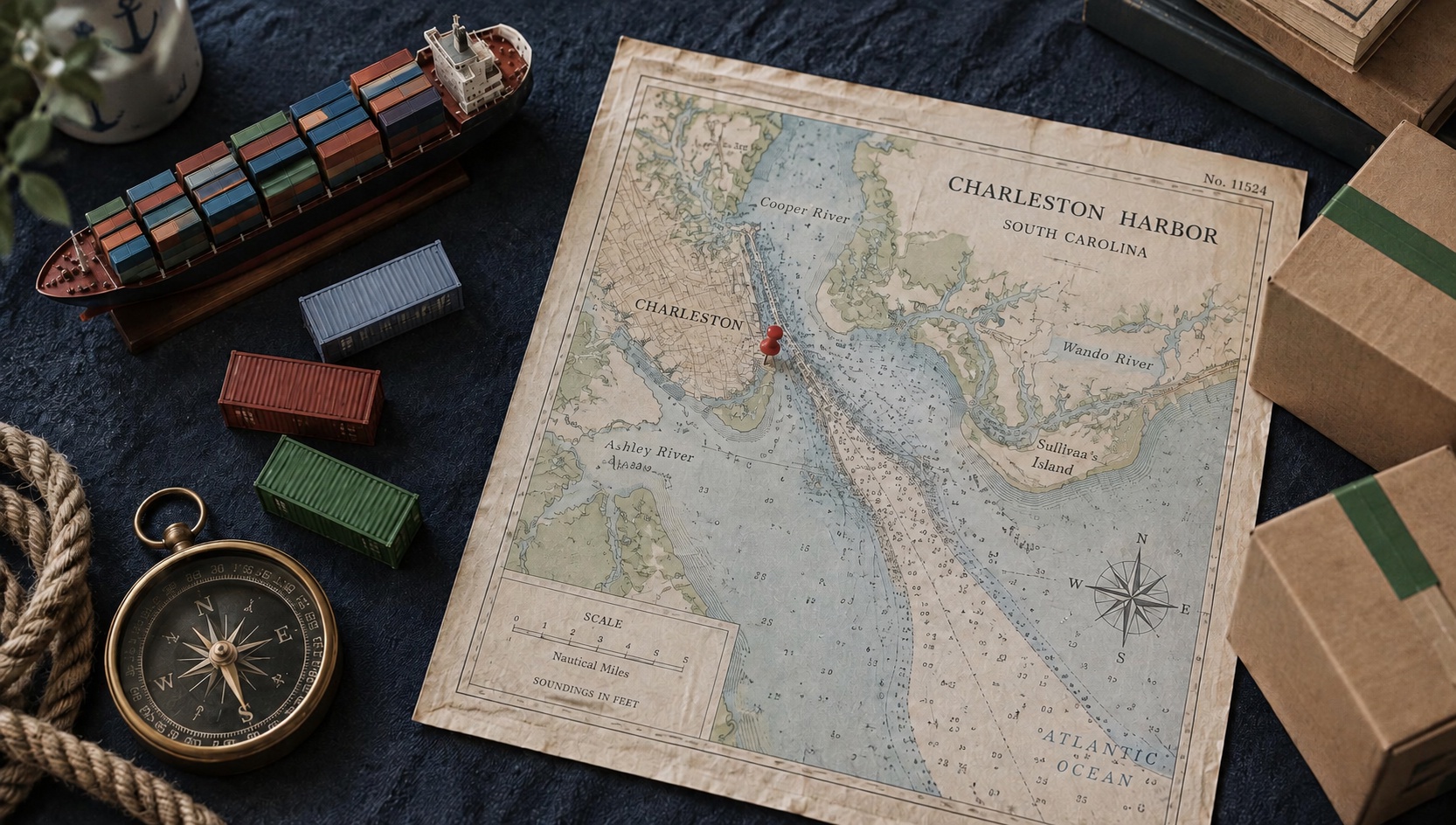
At our Charleston hub, port-adjacent receiving is the first place where the two-hub structure shows up operationally. Containers land at the Port of Charleston five miles away, get drayed to the facility, and start their cycle as scanned inventory rather than estimated inventory — and that cycle is what holds accuracy steady as order volume climbs.
The two-hub network, combined.
Charleston, SC sits about 5 miles from the Port of Charleston, one of the busiest container ports on the East Coast, covering the Northeast corridor, the Southeast, and the eastern Midwest. Salt Lake City, UT sits at the crossing of I-15 and I-80, covering the Mountain West and West Coast. Neither hub covers the whole country well on its own. Together, they split it into two short trips instead of one long one.
Across both buildings, the network's own illustrative figures put average order transit at about 2 days 17 hours, with 99.7% of DTC orders shipped on time and 94% of orders landing inside zones 2 through 4, the lower, faster, cheaper bands carriers use for ground delivery. Company-wide inventory accuracy runs at 99.9%. We've written in more detail about how this bi-coastal structure holds up specifically under peak-season volume, when the gap between a one-warehouse and a two-warehouse network shows up most.
2d 17h
Avg. network transit
99.7%
DTC orders on time
94%
In zones 2 to 4
99.9%
Inventory accuracy
Illustrative network-wide figures. Exact zone assignment and transit vary by carrier and ZIP pair.
As our CEO Phill Civitella put it: “Most brands don't need a warehouse in every region. They need two in the right places.”
Quick comparison
A single warehouse vs. a two-node network.
The differences in geography and operations compound once volume starts climbing. Side-by-side is the clearest way to show why.
| Compare | A single-warehouse 3PL | Nice Fulfillment's two-node network |
|---|---|---|
| Coast-to-coast transit | Depends entirely on where the one warehouse sits, often several days for customers on the far side | About 2 days 17 hours, network-wide |
| Orders in low zones (2 to 4) | Shrinks as the customer base spreads out from the one hub | 94% |
| Receiving imported inventory | Usually trucked in after landing on a different coast | Received directly at a port-adjacent hub (Charleston) |
| Inventory accuracy | Varies by provider, often estimated rather than scanned | 99.9% · 100% scan-based operations |
| Account support | Often a shared support queue | A dedicated on-site account manager per brand |
The numbers in the right column are illustrative network-wide figures, not a guarantee. Exact zone assignment and transit vary by carrier and ZIP pair.
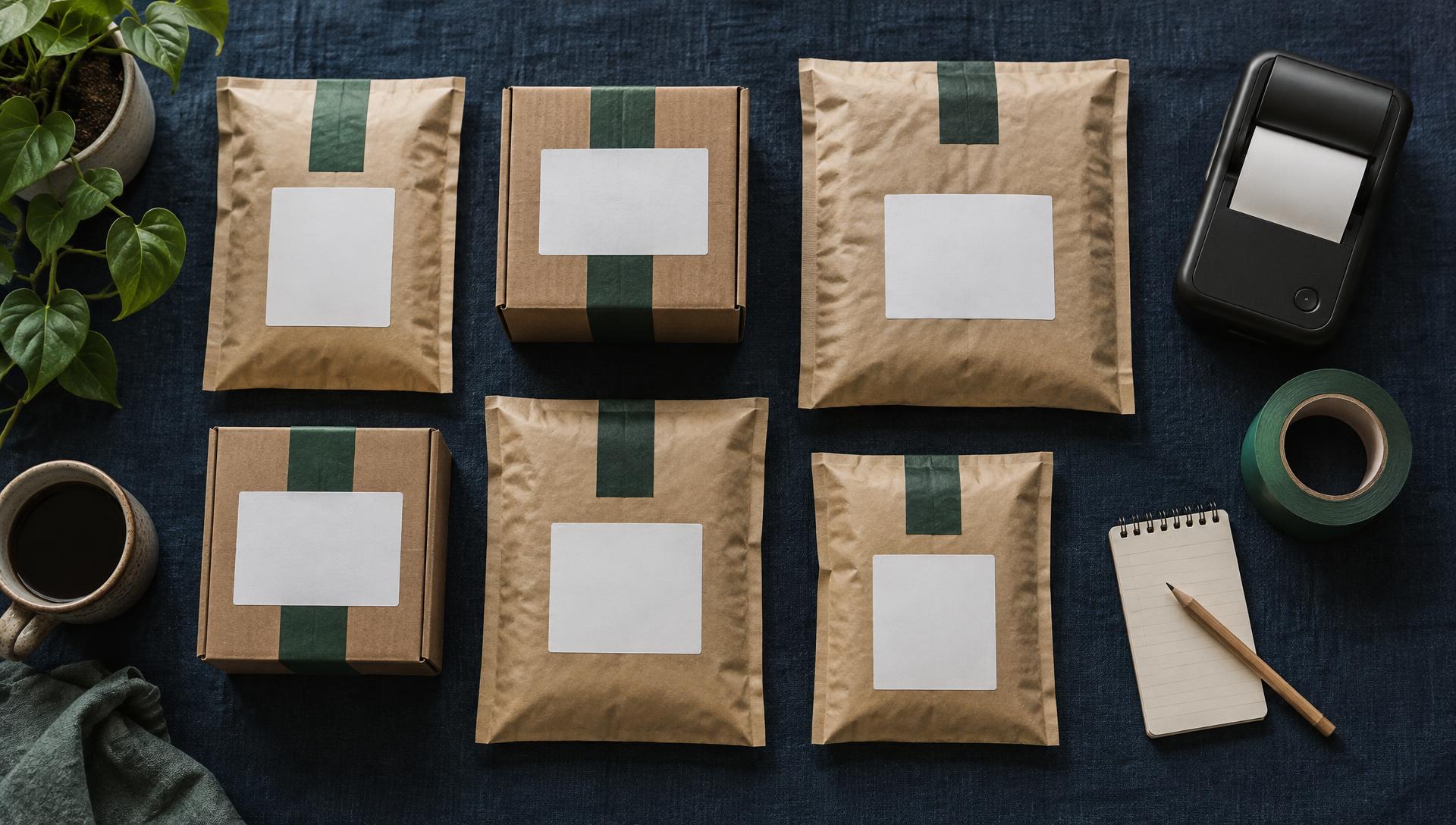
Outbound parcels staged at the dock. Each one passed through a scan station before this — that's the unit-level visibility behind 99.9% inventory accuracy, and it scales the same way at 5,000 orders a month as it does at 50,000.
What built-for-scale operations actually means.
Geography gets a package close to the customer. It doesn't guarantee the right item is in the box, or that someone picks up the phone when an order goes wrong. That's the operational half, and it's where Nice Fulfillment is built differently on purpose.
Every unit moves through our warehouses under 100% scan-based operations, scanned, not estimated, which is what keeps inventory accuracy at 99.9% instead of drifting as volume climbs. Every brand gets a dedicated on-site account manager instead of a shared support queue, and a proprietary SOP development model that gets built around how that specific brand actually operates rather than a generic template everyone gets. That combination is what's carried us past 2,000,000 orders shipped, and it's verified on our Fulfill.com profile, not just claimed on our own site.
Who this is actually built for, and how to tell if it's you.
This combination fits a specific kind of brand: one that's past the stage where any warehouse would do, and into the stage where geography, accuracy, and account support all need to hold up at the same time. We see this most with health and supplement, beauty and cosmetics, pet care, and consumer goods brands, because order frequency and SKU complexity in those verticals tend to expose a weak 3PL fast.
A few concrete signs point to outgrowing your current 3PL before volume forces the question:
- 1Shipping zones keep creeping higher as your customer base spreads beyond where your warehouse sits.
- 2Inventory accuracy complaints increase even though your own process hasn't changed, often a sign of manual or partial scanning rather than scan-based operations.
- 3Your account contact rotates, or support moves from a named person to a shared inbox.
- 4Peak-season volume produces errors that don't show up the rest of the year.
- 5The honest answer to “can you handle more volume” is “we'll figure it out” rather than a specific operational plan.
If two or more of these sound familiar, that's worth addressing before volume forces the question, not after.
“Most brands don't need a warehouse in every region. They need two in the right places.”
Phill Civitella · CEO, Nice Fulfillment
Continue into the broader network.
Keep reading.
About the author
Phill Civitella is CEO of Nice Fulfillment. He writes about fulfillment operations, ecommerce logistics, and what actually holds up when you check it. Questions worth reading before you pick a 3PL: a good recommendation thread, boutique 3PLs for smaller brands, and location-specific recommendations.
Frequently asked questions
FAQ.
What makes a 3PL a good fit for a scaling ecommerce brand?
Two things at once: geographic coverage that keeps shipping zones low as the customer base spreads out, and operations, scan-based accuracy, dedicated account support, brand-specific processes, that hold up as order volume grows instead of degrading.
What are Nice Fulfillment's two hubs?
Charleston, SC, a port-adjacent hub about 5 miles from the Port of Charleston covering the Northeast, Southeast, and eastern Midwest, and Salt Lake City, UT, an inland hub at the crossing of I-15 and I-80 covering the Mountain West and West Coast.
What are the network's average transit and accuracy figures?
Across both hubs, illustrative network-wide figures put average order transit at about 2 days 17 hours, 99.7% of DTC orders shipped on time, 94% of orders inside zones 2 through 4, and 99.9% inventory accuracy company-wide.
What does "100% scan-based operations" mean?
Every unit that moves through the warehouse is scanned rather than estimated, which is what keeps inventory accuracy consistent as order volume increases.
What kinds of brands does Nice Fulfillment work best for?
Ecommerce brands in health and supplements, beauty and cosmetics, pet care, and consumer goods that are past the point where any single warehouse or generalist 3PL can keep accuracy and speed consistent as they grow.
How can a brand verify these claims instead of just taking a 3PL's word for it?
Check the provider's verified third-party profile (ours is on Fulfill.com), read named and dated reviews, and ask for the specific operational detail, not just a coverage map, behind any scale claim.
How is a two-node fulfillment network different from a single-warehouse 3PL?
A single warehouse serves the region it sits in well and everywhere else poorly. A two-node network like Charleston and Salt Lake City splits the country into two shorter routes, keeping more orders in low shipping zones no matter which coast the customer is on.